JourneyOnline.org

Why Was Jesus Born?

Of all the ways God could have reached humanity, he chose to be born. To enter our world as a baby, grow up in a small town, and live among ordinary people. Why? Jesus was born because God loves you and refused to let sin have the final word.

The problem that made his birth necessary

Every one of us has gone our own way, made choices we know were wrong, and fallen short of what God created us to be. The Bible calls this sin. It describes the distance between who we are and who we were made to be.

That distance has a consequence. God is holy, which means he is completely good, completely just, and completely without fault. Sin cannot exist in his presence. The result is separation, a real and serious divide between us and God that we have no power to close on our own.

“For all have sinned and fall short of the glory of God.”

Romans 3:23 (ESV)

God did not design us for this situation. He created us for relationship with himself. But he is also just, which means the consequence of sin is real. The penalty is death, not just physical death but spiritual separation from God. And we cannot pay that penalty ourselves. Nothing we do, no amount of good works or religious effort, is enough. We needed someone to do for us what we could never do for ourselves.

Why God chose to be born

God did not send a message. He did not send a list of rules to follow. He came himself.

The Son of God existed before the world was made. The Bible says, “In the beginning was the Word, and the Word was with God, and the Word was God” (John 1:1, ESV). This eternal Son took on human flesh and was born into our world. Jesus was fully God and fully human at the same time, not a mixture of the two but completely both. He experienced hunger, exhaustion, grief, and the kind of bone-deep weariness that comes from carrying other people’s pain. He knows what it is to be human because he lived it.

“For God so loved the world, that he gave his only Son, that whoever believes in him should not perish but have eternal life.”

John 3:16 (ESV)

The reason God chose to be born in human form was specific. Only a human could stand in the place of humanity. And only a perfect, sinless human could pay the price that sin demands. Jesus lived the life we were meant to live, without a single act of disobedience or wrongdoing. That sinless life made him the only one qualified to do what he came to do.

What his birth made possible

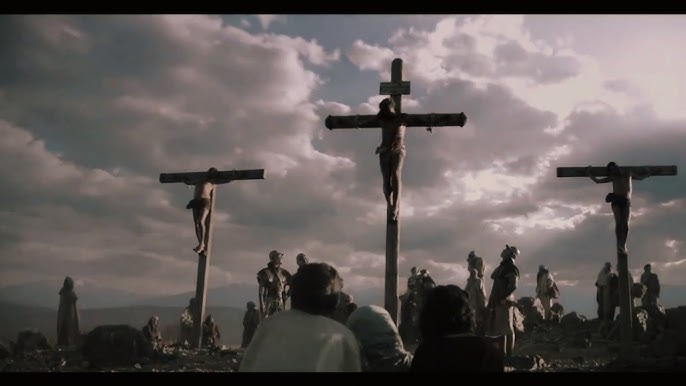
Jesus was born to die. He gave his life as a payment for our sin. When he died on the cross, he took the penalty we deserved. The divide between us and God was closed, not by anything we did, but by what he did for us.

“God shows his love for us in that while we were still sinners, Christ died for us.”

Romans 5:8 (ESV)

But the story does not end at the cross. Three days after his death, Jesus rose from the dead. The resurrection confirms that his sacrifice was accepted and that death had no power over him. He then ascended to heaven, completing the mission he came to accomplish.

The manger in Bethlehem and the cross outside Jerusalem tell the same story. God loved you enough to come. God loved you enough to stay. God loved you enough to die. And God loved you enough to rise.

What this means for you personally

Jesus was not born for a category of people. He was not born for the religious, the good, or the worthy. He was born for everyone, including you, exactly as you are right now.

You do not have to have your life sorted out to come to him. You do not have to understand everything or have all your doubts resolved. The God who entered our broken world as a baby is not put off by your broken life. He came precisely for that.

The relationship with God that his birth made possible is available to anyone who comes to him in faith. It does not require a perfect record or years of religious background. It requires an honest acknowledgment of your need and a willingness to trust him.

“For the Son of Man came to seek and to save the lost.”

Luke 19:10 (ESV)

That is why he was born. Not as a historical figure to be admired from a distance, but as a Savior who came to find you, forgive you, and bring you home to God.

Common questions about why Jesus was born

If God is all-powerful, why did he have to be born as a human?

God did not become human out of limitation. He chose to out of love. The Bible teaches that only a sinless human could stand in the place of sinful humanity and pay the penalty sin requires. God became one of us so that he could do for us what we could never do for ourselves.

Why couldn’t God just forgive sin without Jesus having to die?

Because God is both loving and just. Justice requires that sin be dealt with, not simply overlooked. A judge who lets every guilty person go free is not a good judge. God’s love provided the solution his justice required: he paid the penalty himself in the person of Jesus so that forgiveness could be genuine and complete.

Was Jesus aware of why he was born?

Yes. Jesus spoke openly about his purpose throughout his ministry. He said he came not to be served but to serve and to give his life as a ransom for many (Mark 10:45, ESV). He knew what he came to do and he chose to do it willingly.

Does the birth of Jesus matter if I am not a Christian?

Yes, because his birth was not for Christians. It was for everyone. Jesus was born before anyone became a Christian. His coming was for the whole world, including people who have never set foot in a church, people who have doubts, and people who are only just beginning to ask these questions.

How do I know the story of Jesus’ birth is true?

The accounts of Jesus’ birth, life, death, and resurrection were written by eyewitnesses and their close associates within decades of the events. The existence of Jesus as a historical figure is confirmed by non-Christian sources as well. The story has been examined, challenged, and tested for 2,000 years and has not collapsed under that scrutiny.

What is Jesus doing right now?

He is alive and he is not distant. After rising from the dead and ascending to heaven, Jesus did not become detached from the people he came to save. The Bible says he always lives to pray for those who come to God through him (Hebrews 7:25, ESV). He is standing before the Father on your behalf right now, personally concerned with your life, your struggles, and where you are on this journey.

Ready to begin?

Everything you have just read points to one question: what will you do with Jesus? He was not born, and he did not die and rise again, so that you could simply know more about him. He came so that you could know him.

If you want to begin a relationship with God right now, you can. It does not require a church, a ceremony, or a perfect life. It requires an honest prayer. Here is one you can pray:

A prayer to begin

God, I believe that Jesus is your Son and that he was born, lived, died, and rose again for me. I know I have gone my own way and I need your forgiveness. I turn from that now and I turn to you. Jesus, come into my life. Be my Savior and my Lord. I give you my life and I trust you with it. Thank you for loving me enough to come. Amen.

If you sincerely prayed that, something real just happened. God heard you. The Bible says, “Everyone who calls on the name of the Lord will be saved” (Romans 10:13, ESV). You are not the same person you were a few minutes ago.

Something brought you to this question. The same Jesus who was born to seek and save the lost is the one who said, “Whoever comes to me I will never cast out” (John 6:37, ESV). That includes you.

If you are ready to take a next step, you can find out more about beginning a relationship with God here: Steps to Peace with God

Or visit the main Who Is Jesus page to learn more about who he is and what he came to do.

Was Jesus a Created Being?

It is a question that goes straight to the heart of who Jesus actually is. Was he brought into existence at some point, the way you and I were? Or does he stand outside of time altogether, without beginning or end? Here is what the Bible actually says.

The short answer is no. Jesus was not created. The longer answer is one of the most important truths in Scripture.

Before Bethlehem

Most people think of Jesus as beginning in a stable in Bethlehem about 2,000 years ago. That is where his human life began. Before the manger, before the earth itself, before anything existed, the Son of God already was.

The Gospel of John opens not with the birth of Jesus but with his eternal existence. The very first words echo the opening of Genesis.

“In the beginning was the Word, and the Word was with God, and the Word was God. He was in the beginning with God. All things were made through him, and without him was not any thing made that was made.”

John 1:1-3 (ESV)

John calls Jesus the Word. In the beginning, he was already there. He was not created at the beginning. He was present at the beginning. Everything that exists came into existence through him. If all created things were made through him, he cannot himself be a created thing. The Creator is not the creation.

Fourteen verses later John describes what happened when this eternal Word entered human history.

“And the Word became flesh and dwelt among us, and we have seen his glory, glory as of the only Son from the Father, full of grace and truth.”

John 1:14 (ESV)

The Word became flesh. He did not begin at that moment. He entered that moment.

The Creator, not the created

Paul addresses this directly in his letter to the Colossians, a church that was being pulled toward teachers who questioned the full nature of Christ.

“He is the image of the invisible God, the firstborn of all creation. For by him all things were created, in heaven and on earth, visible and invisible, whether thrones or dominions or rulers or authorities — all things were created through him and for him. And he is before all things, and in him all things hold together.”

Colossians 1:15-17 (ESV)

Every created thing in heaven and on earth, visible and invisible, was made through Jesus and for Jesus. He is before all things. He holds all things together.

The word firstborn in verse 15 sometimes causes confusion. In the culture Paul was writing to, firstborn was a title of supremacy and preeminence, not a description of being born first. Paul is saying Jesus holds the supreme position over all creation, not that he was the first thing God made. He made all things, which means he cannot be one of them.

Is Jesus part of the Trinity?

When Christians say Jesus is God, they do not mean there are three separate gods. God is one, and within that one God there are three distinct persons: the Father, the Son, and the Holy Spirit. Each is fully God. Each is distinct. Together they are one.

The Son did not come into existence when the Father created him. The Son has always existed with the Father, as the Father has always existed. The writer of Hebrews describes Jesus as “the radiance of the glory of God and the exact imprint of his nature” through whom God made the universe (Hebrews 1:2-3, ESV). The Son is not a product of God. He is the radiance of God.

Even the Old Testament points to this. The prophet Micah, writing 700 years before the birth of Jesus, spoke of the one who would come from Bethlehem whose “origin is from of old, from ancient days” (Micah 5:2, ESV). His origin is ancient, not recent. Eternal, not created.

Why does this matter?

It matters because of what Jesus came to do. If he were a created being, he would be subject to the same broken condition as the rest of creation. A created being cannot redeem creation. Only the Creator can.

It matters because of who he claimed to be. Jesus did not present himself as a great teacher or a specially chosen prophet. He said, “I and the Father are one” (John 10:30, ESV). The religious leaders of his day understood exactly what he meant, called it blasphemy, and sought to kill him for it. They were wrong about their response. But they were right about what he was claiming. You can read more about whether Jesus was a prophet on our Was Jesus a Prophet? page.

And it matters for you. If Jesus is eternal God who entered our world in human form, his death on the cross was not the end of a life. It was God himself choosing to pay the price for our sin. His resurrection was not a miracle that surprised him. It was the eternal Son of God demonstrating that death has no final claim on him, or on anyone who puts their trust in him. That changes everything.

Common questions about the nature of Jesus


If Jesus is eternal, why did he need to be born?

He did not need to be born in the sense that he had no choice. He chose it. The eternal Son of God took on human flesh so that he could live the life we were meant to live and die the death our sin deserved. The incarnation, his birth in Bethlehem, was not the beginning of his existence. It was the moment the eternal entered time for our sake. You can read more about why Jesus was born on our Why Was Jesus Born? page.

Jehovah’s Witnesses say Jesus was the first thing God created. How do you respond to that?

Scripture answers that directly. John 1:3 says that all things were made through Jesus and without him nothing was made that was made. If everything that exists was created through him, he cannot be one of those created things. Colossians 1:16-17 reinforces this: all things in heaven and on earth were created through him and for him, and he is before all things. The Bible does not describe Jesus as the first creation. It describes him as the one through whom all creation came to be.

Does the Bible really teach that Jesus is God?

John 1:1 opens with the plain statement that the Word was God. Thomas, one of Jesus’s own disciples, looked at the risen Jesus and said “My Lord and my God” (John 20:28, ESV). Colossians 2:9 states that in Jesus “the whole fullness of deity dwells bodily.” And in Hebrews 1:8, God the Father addresses the Son directly as God: “Your throne, O God, is forever and ever.” The deity of Jesus is not a later addition to Christian theology. It is present from the earliest writings of the New Testament.

How can Jesus be both fully God and fully human?

The Bible teaches it as fact without fully explaining how, and that honesty is part of faith. Jesus was not half God and half human, or a blend of the two. He was completely both. He experienced hunger, grief, and exhaustion as a human. He forgave sins, raised the dead, and rose from the grave as God. Both are true of the same person at the same time. That is not a contradiction. It is the mystery Christians have held since the beginning.

What difference does it make whether Jesus is God or just a great teacher?

It makes every difference. A great teacher can inspire you. Only God can forgive you, transform you, and give you life beyond death. Jesus claimed to do all three. If he is merely human those claims are either false or deluded. If he is who he said he is, they are the most important offer ever made to any person. C.S. Lewis argued in Mere Christianity that Jesus does not leave us the option of calling him simply a good teacher. The things he said about himself rule that out. Jesus himself put it plainly: “I am the way, and the truth, and the life. No one comes to the Father except through me” (John 14:6, ESV).

Does it matter what I believe about the nature of Jesus?

Yes, because what you believe about who Jesus is shapes what you do with what he offers. If he is eternal God who came to pay for your sin and bring you back to the Father, that is an offer worth responding to. If he is only a created being or a great prophet, his death means something very different and his resurrection changes nothing. The question on this page is not just theological. It is personal.

Ready to respond?

Something brought you to this question. Maybe you are working through your own faith. Maybe someone put this question in front of you and you needed a real answer. Either way, you did not land here by accident.

The eternal Son of God who created all things stepped into his own creation to reach you. He did not have to. He chose to. If you want to put your trust in him, you can do that right now.

A prayer to begin

Lord Jesus, I believe you are eternal God, that you existed before all things and that all things were made through you. I believe you chose to enter your own creation, to live as one of us, to die for my sins, and to rise from the dead. I have sinned and I need your forgiveness. I am truly sorry for the wrong I have done. I turn from that now and I turn to you. Come into my life. Be my Savior and my Lord. I trust you with everything. Amen.

If you sincerely prayed that, God heard you. The Bible says, “Everyone who calls on the name of the Lord will be saved” (Romans 10:13, ESV). That includes this moment, and it includes you.

The same Jesus who was there before the world began said, “Whoever comes to me I will never cast out” (John 6:37, ESV). That includes you, right now, exactly as you are.

If you want to go deeper, here is a place to start: Steps to Peace with God

Or visit the main Who Is Jesus page to learn more about who he is and what he came to do.


We want to hear from you. Click the button below that best fits where you are right now. Whether you just prayed, have a question, or simply need someone to pray for you, we will respond.

What Did Jesus Teach?

Jesus was known as a teacher. Crowds followed him across Galilee and Judea not just to see miracles but to hear him speak. His disciples called him Rabbi. Even those who opposed him could not deny that he taught with an authority they had never encountered. So what did he actually say?

Jesus taught on many subjects across his three years of public ministry. But four themes run through everything he said: the kingdom of God, forgiveness and new life, how to live, and who he claimed to be.

What did Jesus teach about the kingdom of God?

Jesus taught that the kingdom of God is the most important reality a person can orient their life around. The kingdom of God, or kingdom of heaven as Matthew calls it, appears more than 80 times in the four gospels. It was the central subject of his teaching from the very first words of his public ministry: “Repent, for the kingdom of heaven is at hand” (Matthew 4:17, ESV).

Jesus described the kingdom of God as the rule and reign of God active in the world. It is wherever God’s will is done and his authority is acknowledged. The kingdom is both a present reality and a coming fullness. Jesus told his disciples to pray “your kingdom come, your will be done, on earth as it is in heaven” (Matthew 6:10, ESV), which means the kingdom is something to be sought and lived in now, while also being something we wait for in its completeness.


“But seek first the kingdom of God and his righteousness, and all these things will be added to you.”

Matthew 6:33 (ESV)

Jesus was clear: not wealth, not status, not security, but the rule of God in your life. He said the kingdom is like a treasure hidden in a field that a man sells everything to obtain (Matthew 13:44, ESV). It costs everything and is worth everything.

What did Jesus teach about forgiveness and new life?

Jesus taught that God forgives fully and freely, holding nothing back from those who turn to him. He told the story of a son who walked away from his father, wasted everything, and came home in shame, only to find his father running toward him while he was still a long way off (Luke 15:20, ESV). That is the picture of God Jesus returned to throughout his ministry.

Jesus went further than simply teaching that God forgives. He claimed to forgive sins himself, which the religious leaders of his day understood immediately as a claim to be God (Mark 2:7, ESV). And he taught that receiving that forgiveness transforms a person from the inside out, what the Bible calls being born again (John 3:3, ESV). You can read more about what Jesus’s forgiveness means on our What Does it Mean that Jesus Can Forgive You of Your Sins? page.


“For God so loved the world, that he gave his only Son, that whoever believes in him should not perish but have eternal life.”

John 3:16 (ESV)

Jesus taught that forgiveness and new life are not earned. They are received through faith. “Whoever believes in him should not perish.” The response is belief, not performance. What follows from genuine belief is a changed life. But the changed life is the fruit of faith, not the price of forgiveness.

He taught about how to live

Jesus taught that how we live flows directly from who we love. When asked which commandment was the greatest, he answered without hesitation. Love God with everything you have and love your neighbor as yourself (Matthew 22:37-39, ESV). He said all the law and the prophets hang on these two commandments. Everything else flows from these two.


“And he said to him, ‘You shall love the Lord your God with all your heart and with all your soul and with all your mind. This is the great and first commandment. And a second is like it: You shall love your neighbor as yourself.’”

Matthew 22:37-39 (ESV)

The Sermon on the Mount, found in Matthew chapters five through seven, is where Jesus addressed anger, lust, honesty, revenge, worry, generosity, prayer, and the treatment of enemies. In each case he went beyond outward behavior to the condition of the heart. It was not enough to avoid murder; he called his followers to deal with anger. It was not enough to avoid adultery; he called them to guard their thoughts. He raised the standard from what people do to who they are. He also taught his followers to love their enemies and pray for those who persecute them, reflecting the character of God who causes his sun to rise on both the evil and the good (Matthew 5:44-45, ESV).

He taught about who he was

Jesus taught that he was God. Not a prophet pointing toward God, not a teacher explaining God, but God himself present in human form. That claim runs through everything he said and forced every person who heard him to make a decision.

He said he was the bread of life (John 6:35, ESV). He said he was the light of the world (John 8:12, ESV). He said he was the resurrection and the life, and that everyone who believes in him will live even if they die (John 11:25, ESV). He said he was the way, the truth, and the life, and that no one comes to the Father except through him (John 14:6, ESV).


“I am the way, and the truth, and the life. No one comes to the Father except through me. If you had known me, you would have known my Father also.”

John 14:6-7 (ESV)

Jesus himself made clear what was at stake: “unless you believe that I am he you will die in your sins” (John 8:24, ESV). His teaching and his person were inseparable. You could not accept his ethical teaching and walk away from his claims about himself. He did not give anyone that option.

Common questions about the teaching of Jesus


Did Jesus only teach for religious people or was his teaching for everyone?

Jesus taught in synagogues but also on hillsides, in boats, at dinner tables, and in the streets. His audiences included fishermen, tax collectors, prostitutes, soldiers, religious leaders, and Roman officials. He said he came not for those who were well but for those who were sick (Mark 2:17, ESV). His teaching was for everyone, and it was most warmly received by those society had written off.

What did Jesus teach about prayer?

Jesus taught his disciples to pray simply and honestly, not with religious performances to impress others. He gave them what we now call the Lord’s Prayer as a model, covering God’s glory, his kingdom, daily needs, forgiveness, and protection (Matthew 6:9-13, ESV). He also taught that God hears the prayer of a humble person more readily than a proud one (Luke 18:9-14, ESV), and that persistent prayer is heard (Luke 11:9-10, ESV).

Was Jesus’s teaching different from other religious teachers?

Significantly. Most religious teachers of his time taught by citing the authority of earlier teachers. Jesus taught on his own authority. He consistently said “You have heard it said… but I say to you,” positioning himself above the established religious tradition. His listeners noticed immediately. “He was teaching them as one who had authority, and not as their scribes” (Matthew 7:29, ESV). No other teacher in history made the claims about himself that Jesus made.

What did Jesus teach about eternal life?

Jesus spoke about eternal life more than almost any other subject. He taught that it begins now, not just after death, for everyone who believes in him (John 17:3, ESV). He described it as knowing God and knowing Jesus Christ whom God sent. He also taught clearly that there are two eternal destinations after death: eternal life for those who know God and eternal punishment for those who do not (Matthew 25:46, ESV), which is why his invitation to believe was so urgent. If you want to explore this further, visit our Does Jesus Give You Life After Death? page.

Did Jesus teach that following him means following rules?

No. Jesus taught that following him means a change of heart that produces changed behavior, not a list of rules to check off. He said the greatest commandments were love for God and love for others, and that everything else flows from those two. He also said his yoke is easy and his burden is light (Matthew 11:30, ESV), which is not the description of a demanding rule system. The obedience Jesus calls his followers to is the natural outworking of genuine love, not the condition for earning his approval.

How do I know if the words of Jesus in the Bible are really what he said?

The gospels were written within decades of the events they describe, by eyewitnesses and their close associates. The early church was deeply committed to preserving the actual words of Jesus and the manuscript tradition behind the New Testament is the most extensively documented of any ancient text. Historians who do not follow Jesus still regard the gospels as reliable historical sources for what Jesus said and did. The evidence has been examined for 2,000 years and has not collapsed under that scrutiny.

Ready to respond to what Jesus taught?

Jesus said he was the way, the truth, and the life. He offered forgiveness. He invited people to follow him. Every person who heard him had to decide what to do with that invitation, and you have the same decision in front of you now. If you want to respond, you can do that right now.

A prayer to begin

Lord Jesus, I believe that you taught with authority because you are who you claimed to be: the Son of God, the way to the Father, and the one who gives eternal life to all who believe. I have sinned and I need your forgiveness. I am truly sorry for the wrong I have done. I turn from that now and I turn to you. Come into my life. Be my Savior and my Lord. Teach me how to live. I trust you with everything. Amen.

If you sincerely prayed that, God heard you. The Bible says, “Everyone who calls on the name of the Lord will be saved” (Romans 10:13, ESV). That includes this moment, and it includes you.

Jesus said, “Come to me, all who labor and are heavy laden, and I will give you rest” (Matthew 11:28, ESV). That invitation is still open, and it includes you exactly as you are.

If you want to go deeper, here is a place to start: Steps to Peace with God

Or visit the main Who Is Jesus page to learn more about who he is and what he came to do.


We want to hear from you. Click the button below that best fits where you are right now. Whether you just prayed, have a question, or simply need someone to pray for you, we will respond.

Why Did Jesus Die?

Around 30 AD, a Jewish teacher named Jesus of Nazareth was arrested in Jerusalem, tried before the Roman governor Pontius Pilate, and executed by crucifixion. To those watching, it looked like the end of a movement and the death of a man. The religious establishment had silenced a troublemaker. Rome had disposed of a potential threat. By any ordinary measure, it was over.

What happened on that cross was the most significant event in human history. Not because of who killed Jesus or why they wanted him dead, but because of what God was accomplishing through it. The question is not just historical. It is theological. And nothing has been the same since.

What problem made the death of Jesus necessary?

Every human being has sinned, meaning every person has turned away from God and chosen their own path instead of his. This is not a minor accounting error. Sin is a real offense against a holy God, and it carries a real consequence.

“For all have sinned and fall short of the glory of God” (Romans 3:23, ESV). Every person. Without exception. Every person carries a debt before God they cannot pay, and the sin that created that debt stands between them and him.

God is not simply a lenient grandfather who overlooks wrongdoing. He is holy and just. Justice requires that sin be dealt with, not ignored. A judge who lets every guilty person go free without any penalty being paid is not a good judge. God is a good judge. Which means the penalty for sin had to be paid.

“For the wages of sin is death, but the free gift of God is eternal life in Christ Jesus our Lord.”

Romans 6:23 (ESV)

Wages means what is earned. What sin earns is death, separation from God, both now and finally. Every human being has earned this. The problem is real, it is universal, and no human being can solve it alone.

Why Jesus was the only one qualified to pay it

Only someone with two specific qualities could stand in the place of sinful humanity and pay what sin required.

First, the one who pays must be sinless. A person who has sinned cannot pay for another person’s sin because they already owe their own debt. Only a life completely free from sin could serve as a substitute for the lives of others. Jesus lived that life. He was tempted in every way that human beings are tempted, yet he never sinned (Hebrews 4:15, ESV). He was the only person in history who owed no debt of his own. You can read more about who Jesus is on our Was Jesus a Created Being? page.

Second, the one who pays must be fully human. The debt was incurred by humanity and it had to be paid by a human being standing in humanity’s place. God the Father did not send an angel. He sent his Son in human flesh, fully God and fully human, so that Jesus could legitimately stand where every sinful person stands and take what every sinful person deserved.

“He was pierced for our transgressions; he was crushed for our iniquities; upon him was the chastisement that brought us peace, and with his wounds we are healed. All we like sheep have gone astray; we have turned every one to his own way; and the Lord has laid on him the iniquity of us all.”

Isaiah 53:5-6 (ESV)

Isaiah wrote these words seven hundred years before the crucifixion. The Lord laid on him the iniquity of us all. Not a payment we make ourselves. Not a gradual improvement we work toward. One person, bearing the full weight of what all who trust in him owed. That is what happened at the cross.

What did the death of Jesus accomplish?

The death of Jesus accomplished several things simultaneously.

It satisfied the justice of God. The penalty for sin was paid in full. God did not lower his standard or look the other way. He met his own standard at his own expense. Justice was not set aside. It was fulfilled.

It demonstrated the love of God. The cross is not primarily a picture of how serious sin is, though it is that. It is primarily a picture of how far God was willing to go for the people he loves. He did not send a representative. He came in the person of his Son. He did not ask humanity to find a way back to him. He came to where humanity was and paid the price to bring them home.

“God shows his love for us in that while we were still sinners, Christ died for us.”

Romans 5:8 (ESV)

While we were still sinners. Not after we had cleaned up or made our way back. Before any of that. God moved first. That is what the cross proves about the character of God.

And it defeated the power of sin and death. Jesus did not stay dead. Three days after the crucifixion, he rose from the dead. Paul recorded it plainly: “Christ died for our sins in accordance with the Scriptures, that he was buried, that he was raised on the third day in accordance with the Scriptures” (1 Corinthians 15:3-4, ESV). The resurrection was not an afterthought or a miracle that reversed a defeat. It was the proof that his death had accomplished everything he said it would. Death could not hold the one who had no sin of his own. His resurrection means that death does not have the final word for anyone who puts their trust in him.

What this means for you personally

The death of Jesus was not a theological event with no bearing on your actual life. It was personal from the beginning. The Bible is specific about who it was for.

“For God so loved the world, that he gave his only Son, that whoever believes in him should not perish but have eternal life” (John 3:16, ESV). Whoever. That word does not have exceptions. It reaches across every culture, every language, every background, and every failure. The death of Jesus was for the world, and you are part of the world.

“For there is one God, and there is one mediator between God and men, the man Christ Jesus, who gave himself as a ransom for all.”

1 Timothy 2:5-6 (ESV)

A ransom is the price paid to free someone who is held captive. Jesus gave himself as that ransom. He is the one mediator, meaning the one who stands between God and humanity and makes peace between them, because he is fully God and fully human at the same time. Not for a select group. Not for people who had earned the right to be ransomed. For all. The guilt you carry, the weight of what you have done, the distance you feel from God, all of it is exactly what his death was meant to address. The access he opened is not restricted by nationality, history, religion, or the weight of what you have done. It is available to everyone who comes to him in faith. You can read more about what his death means for your forgiveness personally on our What Does it Mean that Jesus Can Forgive You of Your Sins? page.

Common questions about why Jesus died


Was Jesus just a good person who was killed for his beliefs?

Many good people have died for their beliefs. What makes the death of Jesus different is not his courage or his convictions. It is who he was and what his death accomplished. Jesus claimed to be the Son of God. He claimed to forgive sins. He said his death would be a ransom for many (Mark 10:45, ESV). A person who dies for their beliefs leaves behind an inspiring example. Jesus left behind an open door to God that did not exist before he walked through it.

Why couldn’t God just forgive everyone without requiring a death?

Because God is both loving and just, and justice cannot be satisfied by simply overlooking what happened. Sin is a real offense that carries a real penalty. A God who declared everyone forgiven without any penalty being paid would not be just. God the Father did not lower his standard. He met it himself, in the person of his Son. The death of Jesus is not evidence that God is harsh. It is evidence that he took the cost of forgiveness onto himself so that no one else would have to.

Did Jesus know he was going to die? Did he choose it?

Yes to both. Jesus spoke openly about his coming death throughout his ministry. He said the Son of Man came not to be served but to serve, and to give his life as a ransom for many (Mark 10:45, ESV). In the hours before his arrest, he prayed in the Garden of Gethsemane, acknowledging what was coming and choosing to go through with it. He said, “Not my will, but yours, be done” (Luke 22:42, ESV). His death was not an accident. It was a deliberate act of love for people who had done nothing to deserve it.

Was the crucifixion predicted before it happened?

Yes, in remarkable detail. Isaiah 53, written approximately seven hundred years before the crucifixion, prophesies a servant of God who is pierced for the transgressions of others, crushed for their iniquities, and whose wounds bring healing. Psalm 22, written approximately a thousand years before the event, contains prophetic language fulfilled precisely in the crucifixion, including details about the piercing of hands and feet and the casting of lots for clothing. The death of Jesus was not an improvised response to a crisis. It was the fulfillment of a plan established long before it happened.

If Jesus died for everyone why isn’t everyone automatically saved?

Because forgiveness has to be received to be effective. Jesus’s death made forgiveness available to all. It did not impose forgiveness on all. A pardon that a prisoner refuses does not free them. God does not force his forgiveness on anyone. He offers it freely and fully to everyone who comes to him through Christ. Faith is how what Jesus accomplished becomes yours personally. “Everyone who calls on the name of the Lord will be saved” (Romans 10:13, ESV). The call is open. The response is personal.

How do I know the accounts of the crucifixion are historically reliable?

The crucifixion of Jesus is one of the most well-attested events in ancient history. It is confirmed not only by the four gospels but by non-Christian sources including the Roman historian Tacitus and the Jewish historian Josephus, both writing within decades of the event. The accounts in the gospels were written by eyewitnesses and their close associates while eyewitnesses were still alive to confirm or contradict them. No serious historian, whether Christian or not, disputes that Jesus of Nazareth was crucified under Pontius Pilate.

The cross was not the end

You are reading this because the question matters to you. That is worth taking seriously.

The death of Jesus was not a tragedy that became a story. It was a deliberate act of love by a God who refused to leave humanity separated from him. He paid what we owed. He opened what was closed. He made a way where there was none.

If you want to respond to that, you can do that right now.

A prayer to respond to the cross

Lord Jesus, I believe you are the Son of God and that your death on the cross was not an accident or a tragedy. I believe you died in my place, bearing the penalty for my sin, so that I could be forgiven and brought back to God. I have sinned and I need your forgiveness. I am truly sorry for the wrong I have done. I turn from that now and I turn to you. Come into my life. Be my Savior and my Lord. I trust you with everything. Amen.

If you sincerely prayed that, God heard you. The Bible says, “Everyone who calls on the name of the Lord will be saved” (Romans 10:13, ESV). That includes this moment, and it includes you.

“Greater love has no one than this, that someone lay down his life for his friends” (John 15:13, ESV). That is what Jesus did. For you.

If you want to go deeper, here is a place to start: Steps to Peace with God

Or visit the main Who Is Jesus page to learn more about who he is and what he came to do.


We want to hear from you. Click the button below that best fits where you are right now. Whether you just prayed, have a question, or simply need someone to pray for you, we will respond.

What Does it Mean that Jesus Can Forgive You of Your Sins?

Most people carry something. A decision they cannot undo. Words they wish they had never said. Something they did in private that they hope no one ever finds out. Something they did to someone else that still shows up in the middle of the night.

Jesus can forgive all of it. Not minimize it, not overlook it, not tell you it was not that bad. Actually forgive it. Wipe it clean. Remove it permanently.

Why did forgiveness require a death?

Forgiveness cost what it did because sin is not simply a mistake or a personal failing. It is a real offense against a holy God that carries a real penalty. “For the wages of sin is death” (Romans 6:23, ESV). Not a metaphor. A consequence.

Every person who has ever lived has sinned (Romans 3:23, ESV). That means every person carries a debt they cannot pay. No amount of good behavior cancels what has already been done. A judge who simply declares a guilty person innocent without any penalty being paid is not a just judge. God is just, which means the penalty had to be paid. Jesus paid it.

“For our sake he made him to be sin who knew no sin, so that in him we might become the righteousness of God.”

2 Corinthians 5:21 (ESV)

Jesus, who had never sinned, took the full weight of humanity’s sin onto himself and paid its penalty in full. He did not die as a martyr or as an example of courage. He died as a substitute, standing in the place of every person who would ever put their trust in him. The debt was real. The payment was real. Because Jesus rose from the dead, the payment was accepted. As Paul wrote, he “was raised for our justification” (Romans 4:25, ESV). You can read more about why Jesus specifically was qualified to be that substitute on our Was Jesus a Created Being? page.

What forgiveness actually means

When Jesus forgives sins, the result is specific and permanent. It is not a feeling of relief. It is not God deciding to be lenient. The penalty for your sin has been paid in full by someone else, and God now sees you not as guilty but as righteous.

God said it plainly: “I, I am he who blots out your transgressions for my own sake, and I will not remember your sins” (Isaiah 43:25, ESV). Not filed away. Not held in reserve. Blotted out. He will not remember them.

“If we confess our sins, he is faithful and just to forgive us our sins and to cleanse us from all unrighteousness.”

1 John 1:9 (ESV)

Cleansed from all unrighteousness. Not some of it. Not the manageable sins. All of it. The word all in that verse is doing significant work. It leaves no category of sin outside the reach of what Jesus accomplished on the cross, for those who come to him in faith.

How is forgiveness received?

Forgiveness is not automatic. It is received through faith in Jesus Christ specifically, trusting that what he did on the cross was sufficient for your sin, and that God raised him from the dead as confirmation that the payment was accepted. That trust is directed at a real person and a real historical event, not a general spiritual attitude.

That turning toward Jesus is what repentance means. Not primarily a list of behaviors to stop, but a change of heart and direction, turning away from living for yourself and turning toward God. Repentance is not what earns forgiveness. It is what genuine faith looks like from the inside. A person who truly understands what their sin cost and what Jesus paid will naturally want to turn from it.

“If you confess with your mouth that Jesus is Lord and believe in your heart that God raised him from the dead, you will be saved.”

Romans 10:9 (ESV)

Confession and belief. Not a performance. Not a record of behavior. A genuine response of the heart to what Jesus did. This is how forgiveness is received: not earned, not achieved, but accepted from the one who already paid for it.

What forgiveness does to a person

The forgiveness Jesus offers does not simply clear a record. It changes a person. “If anyone is in Christ, he is a new creation. The old has passed away; behold, the new has come” (2 Corinthians 5:17, ESV).

The guilt that kept you up at night loses its grip. The shame that told you that you were defined by what you had done is replaced by an identity grounded in what Christ has done for you. The fear of what God thinks of you gives way to the knowledge that he sees you as righteous because of what his Son did in your place.

“There is therefore now no condemnation for those who are in Christ Jesus.”

Romans 8:1 (ESV)

No condemnation. Not reduced condemnation. Not conditional condemnation. None. For those who are in Christ Jesus. That is not a promise made to people who have cleaned up their lives. It is a promise made to people who have put their trust in the one who cleaned up their record.

Common questions about forgiveness and Jesus


Is there any sin that Jesus cannot forgive?

There is one sin the Bible describes as unforgivable, which Jesus calls blasphemy against the Holy Spirit (Matthew 12:31-32, ESV). This is the permanent, willful rejection of the Holy Spirit’s testimony about Jesus, a final hardening of the heart against God that leaves no openness to him at all. It is not a sin committed accidentally or in ignorance. The very fact that you are asking this question and reading this page suggests you are not in that category. The person who has committed the unforgivable sin is not concerned about being forgiven.

What if I have done something I think is too serious to be forgiven?

The cross was not designed for small sins. It was designed for all of them. Paul described himself as the foremost of sinners (1 Timothy 1:15, ESV) before going on to say that Christ Jesus came into the world to save sinners. The measure of Jesus’s forgiveness is not the size of your sin. It is the sufficiency of what he paid. And what he paid was everything.

Do I have to confess every sin I have ever committed to be forgiven?

No. Forgiveness is not a transaction that requires a complete inventory of your failures. It begins when you come to God honestly, acknowledge that you have sinned and need his forgiveness, and put your trust in what Jesus did on the cross. As you read the Bible and pray, you will become aware of specific things to bring before God. But the door to forgiveness is not blocked by an incomplete list.

Why does forgiveness require faith? Why can’t God just forgive everyone?

Forgiveness has to be received to be effective. A pardon that a prisoner refuses does not free them. God does not force his forgiveness on anyone. He offers it freely and fully to everyone who comes to him through Christ. The requirement of faith is not a barrier. It is the open hand that receives what has already been provided. You can read more about why Jesus specifically is the one who makes this possible on our Why Did Jesus Die? page.

What is the difference between God forgiving me and me just forgiving myself?

Forgiving yourself is something many people try and few achieve permanently because self-forgiveness does not address the actual problem. The guilt you carry exists because something real happened. You cannot undo it by deciding to feel better about it. God’s forgiveness addresses the actual offense, pays the actual penalty, and removes the actual guilt. It is not a psychological technique. It is a transaction that happened on a cross outside Jerusalem two thousand years ago and applies to your specific sin the moment you receive it by faith.

If I am forgiven, does that mean I can live however I want?

Paul addressed this exact question in Romans 6:1-2 (ESV): “Are we to continue in sin that grace may abound? By no means!” A person who genuinely understands what their sin cost and what Jesus paid to forgive it does not walk away wanting to keep sinning. The forgiveness of Jesus does not lower the standard for how to live. It provides the freedom and the motivation to live differently, not out of fear of condemnation but out of love for the one who paid what you owed.

This forgiveness is for you

Maybe you have been carrying something for a long time and you have never told anyone. Maybe you have tried to move past it and found that you cannot, not fully, not permanently.

Jesus did not die for people who had their lives together. He died for people who knew they did not. “While we were still sinners, Christ died for us” (Romans 5:8, ESV). Before you cleaned up. Before you figured it out. Before you came to him. He already paid for it.

Whatever you are carrying, it is not the exception. There is no category of sin that required a larger payment than what Jesus made. The cross was sufficient. The question is not whether your sin is forgivable. It is whether you are ready to receive what has already been provided.

If you are, you can do that right now.

A prayer to receive forgiveness

Lord Jesus, I understand now what my sin cost and what you paid to forgive it. I believe you are the Son of God, that you died in my place and rose from the dead. I have sinned and I need your forgiveness. I am truly sorry for the wrong I have done. I turn from that now and I turn to you. I receive your forgiveness. Come into my life. Be my Savior and my Lord. I trust you with everything from this day forward. Amen.

If you sincerely prayed that, God heard you. The Bible says, “Everyone who calls on the name of the Lord will be saved” (Romans 10:13, ESV). That includes this moment, and it includes you.

Jesus said, “I am the light of the world. Whoever follows me will not walk in darkness, but will have the light of life” (John 8:12, ESV). That offer is still open, and it includes you exactly as you are.

If you want to go deeper, here is a place to start: Steps to Peace with God

Or visit the main Who Is Jesus page to learn more about who he is and what he came to do.


We want to hear from you. Click the button below that best fits where you are right now. Whether you just prayed, have a question, or simply need someone to pray for you, we will respond.

Is Belief in Jesus the Only Way to Heaven?

There is one way to heaven, and it is open to you. That may sound narrow at first, but look closer and you will find something wide open. The way to God is not reserved for one nation, one family, one culture, or one kind of person. It is not earned by the good you have done or lost by the wrong you have done. It is a gift, offered freely to everyone in all the world, and it has a name. His name is Jesus.

Many people wonder whether it can really be true that Jesus is the only way. It is a fair and honest question, and it deserves an honest answer. The answer the Bible gives is yes, and the reason is not that God wants to keep people out. It is that God loved the world so much that he opened the way in himself, at great cost.

Jesus Said He Is the Only Way

When we ask whether Jesus is the only way to heaven, the clearest place to look is at what Jesus himself said. He did not leave the question open. He spoke plainly about who he is and how we come to God the Father.

“Jesus said to him, ‘I am the way, and the truth, and the life. No one comes to the Father except through me.’”

John 14:6, ESV

Notice that Jesus does not say he is a way among many. He says he is the way. He does not say he can show us truth. He says he is the truth. This is not the claim of a good teacher pointing to God from a distance. It is the claim of God the Son, who came to bring us home to the Father. If anyone else could have opened the way to heaven, Jesus would not have needed to come. He came because there was no other way, and because he loved us too much to leave us without one.

We Cannot Earn Heaven on Our Own

Sometimes people imagine that heaven is a reward for good behavior, as if God keeps a record and admits those whose good outweighs their bad. It is a natural way to think, but it is not how heaven works. Heaven is not a wage we earn. It is a gift we receive.

“For by grace you have been saved through faith. And this is not your own doing; it is the gift of God, not a result of works, so that no one may boast.”

Ephesians 2:8-9, ESV

We cannot buy our way in through our nationality, our family background, or even our religion. None of these can make us right with God, because the problem is deeper than behavior. This is good news, not bad news. If heaven had to be earned, no one could ever be sure they had done enough. Because it is a gift received by faith, it is within reach of anyone who will trust the one who offers it. When we come to know Jesus this way, love for him and a desire to follow him grow naturally in us. That love is the fruit of being saved, not the price of it.

No One Is Good Enough, Except One

The reason we cannot earn heaven becomes clear when we see the standard honestly. God is perfect, and perfection is the measure. Held up to that light, every one of us falls short.

“For all have sinned and fall short of the glory of God.”

Romans 3:23, ESV

This includes the kindest, most sincere, most religious person you know. It includes you, and it includes me. There is no one who is righteous on their own, not one. But there is an exception, and he is the whole reason there is hope. Jesus Christ lived a sinless life. He alone met the standard perfectly, and because he did, he alone could stand in our place. A person can live a genuinely good life and still fall short of God’s glory, because the gap between our goodness and God’s holiness is one we cannot close from our side. Only Jesus could close it, and he did.

God Is Love, and God Is Holy

Some people reason that if God is love, he will simply forgive everyone in the end and bring the whole world into heaven. It is a hopeful thought, and it holds a real truth inside it, because God truly is love. But love is not the whole of who God is. God is also holy. His holiness means he is perfectly pure, and sin cannot stand in his presence as if it did not matter.

“In this the love of God was made manifest among us, that God sent his only Son into the world, so that we might live through him. In this is love, not that we have loved God but that he loved us and sent his Son to be the propitiation for our sins.”

1 John 4:9-10, ESV

Here is where God’s love and his holiness meet. God did not set his holiness aside to forgive us, and he did not set his love aside to remain holy. Instead, God the Father sent his Son, and Jesus took upon himself what our sin deserved. This is why the way to heaven is only through Jesus. It is not that God lacked the love to save everyone. It is that his love and his holiness together made this the way, and there is no other that satisfies both.

Made Holy Through Jesus Alone

So how does an imperfect person enter the presence of a perfect God? Not by becoming good enough first, because we cannot. We enter because Jesus makes us clean.

“For Christ also suffered once for sins, the righteous for the unrighteous, that he might bring us to God, being put to death in the flesh but made alive in the spirit.”

1 Peter 3:18, ESV

This is the heart of it. Jesus, the righteous one, suffered in the place of us, the unrighteous, so that he might bring us to God. When we trust him, his perfect life is counted as ours. We are forgiven, made holy, and covered by what he has done. We do not arrive at heaven’s gate presenting our own record. We arrive covered by his. To believe you can reach heaven without Jesus is, in the end, to say that his death was not necessary, and to reduce him to merely a good man. But he is not merely a man. He is God the Son, and his sacrifice is the one thing that opens the way.

An Honest Prayer for the Seeker

Perhaps you have read this far and you are not sure what you believe yet. That is an honest place to be, and God is not far from an honest heart. You do not have to pretend to be certain before you can speak to him. You can simply ask him to show you what is true. If that is where you are, you might pray something like this:

A prayer for the honest seeker

God, I do not have all the answers, but I want to know what is true. If Jesus really is the way to you, show me. Open my eyes and my heart. I am willing to see.

God honors a prayer like that. When we sincerely ask him to lead us to the truth, he leads us to his Son, because Jesus is the truth he has given.

Coming to Jesus, the Way Home

Maybe as you have read, something in you has begun to trust that this is real, and you are ready not only to seek but to come. You do not need special words or a religious background. You only need an honest heart turned toward Jesus. If you are ready, you can pray something like this:

A prayer to receive Jesus

Jesus, I believe that you are the Lord, God the Son, and that you are the way to the Father. I have sinned and I need your forgiveness. I am truly sorry for the wrong I have done. Thank you for living the perfect life I could not live and for dying in my place. I trust you now as my Savior. Come into my life and lead me. I want to follow you. Amen.

If you prayed those words and meant them, hold on to this promise. God has not turned you away.

“For everyone who calls on the name of the Lord will be saved.”

Romans 10:13, ESV

You called on the name of the Lord, just as he promised, and the Father heard you. You are forgiven, and the way home is open to you, not because of anything you have earned, but because of everything Jesus has done.

Frequently Asked Questions


Isn’t it arrogant to say Jesus is the only way to heaven?

It would be arrogant if this were our opinion or our rule. But it is not something we invented. It is what Jesus himself said, and it rests on what he alone did by living a perfect life and dying in our place. Far from shutting people out, the claim comes with the widest possible invitation, because this one way is open to everyone, everywhere, regardless of background.

What about people who are sincere in another religion?

Sincerity is precious, and God sees every honest heart. But sincerity alone cannot bridge the gap between our imperfection and God’s holiness. Think of it like a bridge: what matters is not only how sincerely we trust it, but whether it can actually hold. Only Jesus can carry us across, because only he lived without sin and gave his life for ours. If you are sincerely seeking, that is a good and hopeful sign, and you can ask God to lead your search to the truth.

If God is love, why won’t he just forgive everyone?

God’s love is real, and it is exactly why he made a way to forgive us. But God is also holy, and his holiness means sin cannot simply be waved aside as if it did not matter. His love and holiness met at the cross, where Jesus took what our sin deserved. Forgiveness is offered freely to everyone, and it is received by trusting Jesus. You can read more in Why Did Jesus Die? (https://whojesusis.com/why-did-jesus-die/) and in What Does It Mean That Jesus Can Forgive You of Your Sins? (https://whojesusis.com/what-does-it-mean-that-jesus-can-forgive-you-of-your-sins/)

Do I have to be good enough before I can come to Jesus?

No. None of us is good enough, and that is precisely why we need him. Jesus does not wait for us to clean ourselves up first. He welcomes us as we are and makes us clean. Good works and a changed life follow from trusting him. They are the fruit of being saved, never the price of admission.

What does it mean to “believe” in Jesus? Is agreeing enough?

Believing in Jesus is more than agreeing that he existed or that he was a good teacher. It means trusting him, resting your whole hope for heaven on who he is and what he has done, rather than on yourself. Part of that trust is knowing who he truly is, not a created being or a mere prophet, but God the Son. This kind of trust naturally grows into love for him and a desire to follow him. You can explore this further in Was Jesus a Created Being? (https://whojesusis.com/was-jesus-a-created-being/)

I prayed, but I still have questions. Is that okay?

Yes. Faith and questions can live side by side. Coming to Jesus is the beginning of a relationship, not the end of all wondering. Keep bringing your questions to him and to people who follow him. If you would like, use the buttons below to let us know, and we would be glad to walk with you.


Whatever brought you to this page, we would love to hear from you. If you prayed to receive Jesus, if you still have questions, or if you would simply like someone to pray for you, please reach out using the buttons below. There is no pressure and no judgment here, only people who would be glad to walk alongside you.

Continue Exploring

Steps to Peace with God: https://journeyonline.org/steps-peace-god/

Who Is Jesus homepage: https://whojesusis.com

Was Jesus a Prophet?

Many people hold Jesus in high regard. Across cultures and faith traditions, he is remembered as a wise teacher, a man of deep compassion, and a prophet who spoke for God. If that is where you are starting from, you are in good and thoughtful company. Honoring Jesus as a prophet is a fair and respectful place to begin.

But it is worth asking an honest question. Was “prophet” the whole truth about Jesus, or was it only part of the picture? The best way to find out is not to start with what others have said about him, but to look carefully at what he said about himself.

Yes, Jesus Was Recognized as a Prophet

The people who lived alongside Jesus often saw him as a prophet, and they were not wrong to notice it. He spoke for God with clarity and courage. He called people to turn from their wrongdoing and return to God. He comforted the hurting, confronted the proud, and told of things that were still to come. When he entered Jerusalem, the crowds said exactly that about him.

And the crowds said, “This is the prophet Jesus, from Nazareth of Galilee.”

Matthew 21:11 (ESV)

A prophet is someone who carries God’s message to people. By that measure, Jesus did the work of a prophet, and he did it perfectly. He never spoke a false word, never misled anyone, and never failed to say what needed to be said. So if you have thought of Jesus as a prophet, you have recognized something real about him. The question is whether there is even more to see.

But Jesus Claimed More Than a Prophet Ever Claimed

Here is where the picture begins to change. The prophets who came before Jesus were messengers. They spoke on behalf of someone greater than themselves, and they were careful to say so. Their words began with a phrase like “this is what the Lord says,” because the message came from God and not from them. They pointed away from themselves and toward God.

Jesus did not speak that way. He spoke on his own authority, as though the words were his to give. Again and again he said, “but I say to you,” placing his own voice at the center. He forgave people their sins directly, something only God has the right to do. He accepted worship instead of refusing it. And he said something no prophet had ever dared to say about himself.

Jesus said to them, “Truly, truly, I say to you, before Abraham was, I am.”

John 8:58 (ESV)

Jesus knew exactly what he was saying. He was claiming to have existed long before he was born in Bethlehem, and he was using a name for himself that belonged to God alone. The people listening understood him perfectly, which is why they were so shaken by it. A messenger does not talk like this. Only someone claiming to be far more than a messenger speaks this way.

A Prophet Could Not Say What Jesus Said

This leaves us with an honest choice to make. A person who says the things Jesus said is either mistaken about who he is, or he is telling the truth. There is not much room in between. Someone who claims to forgive sins, to receive worship, and to have existed before Abraham cannot simply be filed away as a good teacher or a wise prophet. His own words will not allow it.

Jesus said to him, “I am the way, and the truth, and the life. No one comes to the Father except through me.”

John 14:6 (ESV)

A prophet points to the way. Jesus said that he is the way. A prophet speaks the truth he has received. Jesus said that he is the truth. No honest messenger of God would ever say such things unless they were actually true. So the real question is not whether Jesus was a great man. It is whether he was telling the truth about himself. And everything about his life, his character, and his rising from the dead points to the same answer. He was.

Who Jesus Actually Is

If Jesus was more than a prophet, then who is he? The Bible gives a clear answer, and it is the heart of everything.

In the beginning was the Word, and the Word was with God, and the Word was God… And the Word became flesh and dwelt among us, and we have seen his glory, glory as of the only Son from the Father, full of grace and truth.

John 1:1, 14 (ESV)

That “Word” is Jesus. Before he ever walked the earth, he was with God, and he was God. Jesus is God the Son, the second person of the one true God, together with God the Father and the Holy Spirit. Then something astonishing happened. God the Son became a human being and lived among us. This is why Jesus is not only fully God but also fully human. He is not a created being and not merely a messenger. He is God himself, come near.

And he came for a reason no prophet could ever accomplish. A prophet can tell you about the way to God. Jesus came to become the way. Every one of us has sinned and turned away from God, and that wrongdoing carries a real penalty. Jesus took that penalty in our place. He lived the sinless life we could not live, and he died the death our sins deserved, offering himself as the perfect sacrifice so that we could be forgiven and brought home to God. This is why calling Jesus a prophet, while true, is far too small. He is not less than a prophet. He is so much more.

Coming to Jesus for Yourself

Maybe you came to this page respecting Jesus as a prophet, and now you are beginning to wonder if he is more than you once understood. That is not a small thing. It is the beginning of a journey many people have walked before you, and God is not far from anyone who honestly seeks him.

If you are searching, you can simply tell him so. You do not need special words. You can pray something like this:

God, I have always respected Jesus, but I am beginning to wonder if he is more than I understood.

If he truly is who he said he is, please show me.

Open my eyes to the truth, and give me the courage to follow wherever it leads.

And if the truth about Jesus has become clear to you, and you are ready to stop simply admiring him and start trusting him as your Savior and Lord, you can tell him that too. Forgiveness and new life are not earned by being good enough or religious enough. They are a gift, received by faith. If you are ready to receive that gift, you can pray from your heart:

Jesus, I believe that you are the Son of God, that you died for me and rose again.

I have sinned and I need your forgiveness. I am truly sorry for the wrong I have done.

I turn from my old life and I ask you to be my Savior and Lord.

Thank you for loving me and forgiving me. Amen.

If you prayed that prayer and meant it, the Father heard you. He promised, in his own Word, that everyone who calls on him will be saved, and he always keeps his promise.

For “everyone who calls on the name of the Lord will be saved.”

Romans 10:13 (ESV)

You have not simply learned about Jesus today. You have come to him. And he receives everyone who comes.

Frequently Asked Questions

Did Jesus ever call himself a prophet?

Jesus once spoke of himself using a familiar saying about how a prophet is not honored in his hometown, so he clearly accepted that he did the work of a prophet. But he never limited himself to that title. The titles he used most often for himself, and the claims he made about forgiving sins and being one with God the Father, went far beyond anything a prophet would say. He did the work of a prophet, while making clear he was much more than one.

Do other faith traditions consider Jesus a prophet?

Many people and traditions around the world hold Jesus in honor as a prophet or a great moral teacher. This is a genuine mark of respect, and it recognizes something true about him. The Bible simply invites us to go further and consider his own words. When Jesus spoke about himself, he claimed an identity that the title “prophet” cannot contain. The kindest thing we can do with his own testimony is take it seriously.

What is the difference between a prophet and the Son of God?

A prophet is a human being chosen to carry God’s message to other people. A prophet is a servant who speaks for God but is not God. The Son of God is God himself. When Jesus is called the Son of God, it does not mean he was created or that he is somehow less than God the Father. It means he shares fully in the one divine nature. A prophet points people to God. The Son of God is the God they are being pointed to.

Did the Old Testament predict a prophet like Jesus?

Yes. Long before Jesus was born, God promised through Moses that he would one day raise up a prophet like him, and that the people should listen to him (Deuteronomy 18:15). Jesus fulfilled that promise, but he also surpassed it. He was the prophet who had been promised, and he was at the same time the God who had done the promising. He is both the message and the one the message is about.

Was Jesus just a good moral teacher?

Jesus is difficult to file away as only a good teacher once you read what he actually said about himself. A good teacher does not claim to forgive sins, accept worship, or say he existed before Abraham. If those claims were false, Jesus would not be a good teacher at all. The very things he said force a bigger decision than simply admiring his wisdom. His words point beyond a good teacher to someone who must be either mistaken or telling the truth about being God.

If Jesus is God, why did he pray to God?

This is a thoughtful question, and it points to something beautiful rather than something contradictory. God is one, and within the one true God there is God the Father, God the Son, and God the Holy Spirit. When Jesus, God the Son, became human and lived on earth, he continued to relate to God the Father in love and prayer, just as he always had. His prayers do not show that he was less than God. They show the loving relationship that has always existed within God himself.


Have You Made a Decision or Do You Still Have Questions?

Wherever you are on your journey, we would love to hear from you. If you prayed one of these prayers today, or if you still have questions on your heart, or if you simply need someone to pray for you, please reach out using one of the options below. There is a real person ready to walk alongside you.

Are Jesus and the Devil Equals?

Many people picture good and evil as two equal forces. Like two sides of the same coin, they seem locked in an endless struggle, each one balancing the other, with no clear end in sight. In this way of thinking, Jesus stands for the good, the devil stands for the evil, and the two are evenly matched rivals whose battle could go either way. If that is how you have imagined it, you are far from alone. It is one of the most common ways people make sense of a world where both good and evil feel so real to us.

But there is a problem with this picture, and it is worth looking at honestly. It assumes that Jesus and the devil belong in the same category, as if they were two competitors of the same size. When we look at who each of them actually is, we find something very different. They are not two equal powers at all. To see why, we have to start not with what they do, but with what they are.

Jesus Is the Maker of Everything That Exists

The first thing to understand about Jesus is that he is not a part of creation. He is the one who made it. Long before anything existed, Jesus already was. He is God the Son, eternal and uncreated, together with God the Father and the Holy Spirit. And when the universe came into being, it came into being through him.

For by him all things were created, in heaven and on earth, visible and invisible, whether thrones or dominions or rulers or authorities, all things were created through him and for him.

Colossians 1:16 (ESV)

All things. Everything that exists, seen and unseen, was made by Jesus and belongs to him. When the Bible says God made all things, and when it says Jesus made all things, it is not describing two different makers. Jesus is God the Son, and he was doing the one work of the one God. That includes every spiritual being, every power, every authority in the entire universe. There is nothing in all of creation that Jesus did not make, and nothing that stands outside his ownership. This is the starting point that changes everything, because it means the devil cannot possibly be Jesus’s equal. And to understand why, we need to see clearly what the devil actually is.

The Devil Is a Created Being

The devil is real. He is not a made-up character or a symbol for the bad things in life. He is a genuine spiritual being who opposes God and seeks to harm the people God loves. The Bible does not pretend otherwise, and neither will we. If you have felt the reality of evil in the world, you are not imagining it.

But here is what the popular picture gets wrong. The devil is not an eternal force standing opposite to God. He is a creature. When God first made him, he was not evil at all. God created him good, as God creates everything good, and God is not the author of evil. Evil entered only when this creature used his freedom to rebel against God and turn away from him. He chose to become what he is now. He was not made that way. But even in his rebellion, he never stopped being a creature who depends on God for his very existence. Jesus himself described the devil’s true nature and origin.

He was a murderer from the beginning, and does not stand in the truth, because there is no truth in him. When he lies, he speaks out of his own character, for he is a liar and the father of lies.

John 8:44 (ESV)

Notice that the devil had a beginning. Jesus did not. The devil is a liar with a character and a history, a created being who was made good and then turned against his Maker. Jesus is the eternal God who has no beginning and answers to no one. The moment you see that one of them was created and the other is the Creator, the whole idea of them being equals falls apart.

Good and Evil Are Not Two Equal Powers

This is the heart of the matter. The picture of good and evil as two balanced forces feels true because both are so real in our experience. We see genuine goodness in the world, and we see genuine evil, and it can seem as though they are two powers of the same size pulling against each other. But feeling matched and being matched are not the same thing.

An artist is not the equal of the painting he creates. A builder is not on the same level as the house he builds. And the Creator of all things is not in the same category as one of his creatures, no matter how powerful that creature may seem. The distance between God and the devil is not the distance between a strong fighter and a slightly stronger one. It is the infinite distance between the One who made everything and a being who would not exist for a single moment unless God allowed it. The devil is not God’s opposite. He is God’s creature in rebellion, and a rebellious creature is a very different thing from an equal and opposite god.

The honest answer to the question is no. Jesus and the devil are not equals, and they never have been. The struggle you sense in the world is real, but it is not a contest between two matched powers whose outcome is in doubt. And that leads to the best news of all.

The Devil Is Already Defeated

If the devil were truly God’s equal, then the outcome of history would be uncertain, and we would have reason to be afraid. But he is not, and the outcome is not uncertain. It has already been decided. When Jesus came into the world, he came with a purpose, and one of the reasons he came was to undo everything the devil had done.

Whoever makes a practice of sinning is of the devil, for the devil has been sinning from the beginning. The reason the Son of God appeared was to destroy the works of the devil.

1 John 3:8 (ESV)

Jesus did exactly that. Every one of us has sinned and turned away from God, and that wrongdoing put us under the power of sin and death, the very things the devil uses against us. So Jesus took our place. He lived the sinless life we could not live, and on the cross he died the death our sins deserved, offering himself as the perfect sacrifice to pay for our sin in full. Then he rose from the dead on the third day. In doing this he broke the power of sin, defeated death, and stripped the devil of any lasting claim over those who belong to him. The devil is not a rival who might still win. He is an enemy who has already lost.

Jesus Holds All Authority

After Jesus rose from the dead, he made a statement that settles the question completely. He did not say that he shared authority with anyone, or that he was one power among several. He claimed all of it.

And Jesus came and said to them, “All authority in heaven and on earth has been given to me.”

Matthew 28:18 (ESV)

All authority. Not most of it, not a contested portion of it, but all of it, in heaven and on earth. There is no realm where the devil rules as Jesus’s equal, and no corner of reality outside of Jesus’s command. For anyone who has ever feared that evil might have the final word, these words of Jesus are the answer. The devil is real, but he is on a leash. Jesus is Lord over all, and the victory belongs to him.

Coming to Jesus for Yourself

Maybe you came to this page carrying a quiet fear, a sense that the world is a battlefield and you are not sure the good side wins. Or maybe you have simply thought of good and evil as two equal forces, and you are beginning to see it differently. Either way, there is good news for you. The God who is greater than every dark power is not far away, and he welcomes everyone who turns to him.

If you are afraid, or searching, or unsure, you can tell him so right now. You do not need the right words. You can simply pray something like this:

God, I have felt afraid of the evil in this world, and I have wondered whether good really wins in the end.

If you are greater than every dark power, please show me.

Bring peace to my heart, and lead me to what is true.

And if you can see now that Jesus is Lord over all, and you are ready to stop standing at a distance and start trusting him as your own Savior and Lord, you can tell him that too. You do not become his by being strong enough or good enough. You come to him by faith, and he receives you as a gift of his grace. If you are ready, you can pray from your heart:

Jesus, I believe that you are the Son of God, that you died for me and rose again.

I have sinned and I need your forgiveness. I am truly sorry for the wrong I have done.

I turn from my old life and I ask you to be my Savior and Lord.

Thank you for loving me and forgiving me. Amen.

If you prayed that prayer and meant it, the Father heard you. He promised, in his own Word, that everyone who calls on him will be saved, and he always keeps his promise.

For “everyone who calls on the name of the Lord will be saved.”

Romans 10:13 (ESV)

You do not have to be afraid of the dark any longer. You belong to the One who made all things and holds all authority, and nothing can take you out of his hand.

Frequently Asked Questions

Is the devil real, or just a symbol for evil?

The devil is real. He is not merely a way of talking about the bad things that happen or the darker side of human nature. He is an actual spiritual being who opposes God and works against people. At the same time, he is not everywhere and he is not all-powerful. He is a created being, not a force that fills the universe. Taking the devil seriously and refusing to fear him are not opposites. Both are possible at once, because Jesus has already overcome him.

What about demons and other spiritual beings? Is the devil alone?

No, the devil is not alone, but he is far from the most powerful being in the picture. God created many spiritual beings, and the ones who carry his messages are called angels, a word that simply means messengers. Some of these beings rebelled against God. The Bible calls the first to rebel Satan, or the devil, and the other rebellious spirits are called demons. They were all created good, and the ones who became evil chose it by their own rebellion. The devil has followers, but they are far outnumbered by the beings who stayed faithful, and every one of them, faithful or fallen, was made by Jesus and answers to him.

If God is good and all-powerful, why does the devil exist at all?

God created the spiritual beings as good, with the freedom to love and obey him. One of them, the being we call the devil, used that freedom to rebel against God. The evil in the devil came from his own choice, not from the way God made him. God allows him to continue for now, within limits that God alone sets, but this does not mean God and the devil are partners or equals. It means God is patient and is working out his purposes in his own time. The existence of the devil is not a sign that God is weak. It is a sign that God permits real choices, even wrong ones, for a season.

Does the devil have as much power as God?

No. The devil has real but limited power, and God has unlimited power. The devil cannot create, he cannot be in all places at once, and he cannot do anything that God does not permit. God has none of these limits. To compare the two is like comparing a spark to the sun. The devil can do harm, but he can never overpower the One who made him and holds all authority over him.

Did Jesus and the devil ever fight?

The devil tried to turn Jesus away from his mission, most famously by tempting him in the wilderness, but this was not a battle between equals. Jesus answered every temptation and never wavered. The real defeat of the devil came not in a dramatic clash but at the cross and the empty tomb, where Jesus broke the power of sin and death for good. Jesus won not by being a stronger version of the devil, but by being an entirely different kind of being, the Son of God laying down his life and taking it up again.

If the devil is already defeated, why is there still so much evil in the world?

The devil has been defeated, but he has not yet been fully removed. Think of an enemy whose defeat is certain but whose final surrender has not yet come. He still causes harm in the time that remains, but his outcome is sealed. The Bible promises a day when Jesus will return and evil will be ended completely and forever. Until then, those who belong to Jesus live under his protection and authority, no longer under the devil’s power, even while evil continues for a while longer in the world around us.

How can I stop being afraid of the devil or evil spirits?

The surest way is to come to Jesus, because fear of evil loses its grip when you belong to the One who has already conquered evil. When you trust Jesus as your Savior and Lord, you are no longer on the devil’s side of the line, and the devil has no rightful claim over you. You do not have to fight him in your own strength or with special words or rituals. You simply stay close to Jesus, who holds all authority and who has promised never to leave you. Perfect love drives out fear, and there is no love greater than his.


Have You Made a Decision or Do You Still Have Questions?

Wherever you are on your journey, we would love to hear from you. If you prayed one of these prayers today, or if you still have questions on your heart, or if you simply need someone to pray for you, please reach out using one of the options below. There is a real person ready to walk alongside you.


To keep exploring, here are two places to go next:

Steps to Peace with God: https://journeyonline.org/steps-peace-god/

Who Is Jesus: https://whojesusis.com

Can Jesus bring enlightenment?

Maybe you have felt it. A sense that there is more to life than what you can see. A quiet pull toward something higher, clearer, and freer. Many people spend years searching for enlightenment, hoping to wake up, to see life as it truly is, to find peace inside, and to become the person they were always meant to be.

That search is not foolish. The longing behind it is one of the most honest things about being human. The real question is not whether enlightenment is worth wanting. It is where the light actually comes from.

The short answer is yes, Jesus brings enlightenment. But he brings a kind of light that may be very different from the one you have been looking for.

The longing to be enlightened is real and good

The desire to wake up and see clearly is not a flaw in you. It was placed there on purpose. The restlessness you feel, the sense that you were made for more than your daily routine, comes from God, the one who made you.

Also, he has put eternity into man’s heart, yet so that he cannot find out what God has done from the beginning to the end.

Ecclesiastes 3:11

So when you long for enlightenment, you are not chasing an illusion. You are responding to something real that God built into you. The longing is a signpost. The only question is where it is pointing.

The darkness is deeper than we think

Most pictures of enlightenment treat the problem as a lack of insight. If you could just see clearly, quiet your mind, or wake up to the truth, the darkness would lift. The darkness is only ignorance, in that picture, and knowledge is the cure.

The Bible tells us the darkness goes deeper than that. Our problem is not only that we cannot see. It is that something in us has turned away from the light on purpose.

And this is the judgment: the light has come into the world, and people loved the darkness rather than the light because their works were evil.

John 3:19

This is what the Bible calls sin. Sin is not merely a mistake or a gap in our understanding. It is a moral turning away from God, a choice to love the darkness rather than the light. Every person has done this, without exception, and it has separated us from God. That is a darkness no amount of insight or effort can lift, because the problem is not in our minds only. It is in our hearts.

This is hard to hear, but it matters. If the darkness were only ignorance, then better information could save us. Because the darkness is moral, we need more than information. We need to be rescued.

Jesus is the light of the world

Here is where everything changes. Jesus did not come to give us a better technique for finding the light. He came claiming to be the light himself.

Again Jesus spoke to them, saying, “I am the light of the world. Whoever follows me will not walk in darkness, but will have the light of life.”

John 8:12

Notice what he said. Not “I will show you the light,” but “I am the light of the world.” This is a claim only God could make. Jesus is God the Son, fully God and fully human, who came into the world he made.

And he did not stay at a distance from our darkness. Jesus willingly died in our place, taking on himself the punishment that our sin deserved, and on the third day he rose bodily from the dead, defeating death itself. The light stepped down into the darkness so that the darkness could be broken from the inside.

Real enlightenment is a person, not a technique

This is the heart of the difference. Almost every path to enlightenment asks you to generate the light yourself. Look within. Try harder. Empty your mind, discipline your desires, and climb the ladder of insight until the light finally dawns. The whole weight of it rests on you.

The light Jesus gives comes from the opposite direction. It does not rise up from inside you. It shines in from outside you, as a gift.

For God, who said, “Let light shine out of darkness,” has shone in our hearts to give the light of the knowledge of the glory of God in the face of Jesus Christ.

2 Corinthians 4:6

The same God the Father who spoke light into being at creation is the one who shines his light into a human heart. And this light is found in one specific place: “in the face of Jesus Christ.” Real enlightenment is not a state you achieve. It is a person you come to know. To see Jesus clearly is to see God, because Jesus is God the Son. The light of God and the light of Jesus are not two different lights. They are one.

This is why the light Jesus gives is such good news. You do not have to be clever enough, disciplined enough, or awakened enough to earn it. You could never produce it on your own. It is given.

This light is offered to you

Jesus did not come only to explain the light. He came to give it to you.

I have come into the world as light, so that whoever believes in me may not remain in darkness.

John 12:46

Read that word “whoever” slowly. It includes you. Whatever you have done, however long you have searched, however far into the darkness you feel you have wandered, the light is offered to you.

But notice it is an offer, and an offer calls for a response. Jesus said “whoever believes in me.” The light is received by trusting him, by turning from the darkness and putting your faith in the one who is the light. He is not one light among many. He is the only way to God, because he is the only one who is God come to rescue us. This is not about earning anything or getting your life in order first. It is about receiving what he freely gives.

There is a great deal at stake in how you answer. To stay in the darkness is to remain separated from God, now and forever. To come to the light is to receive life with him that never ends. And if you have spent years trying to find that light on your own, you can stop carrying the weight of it now. You can simply come to him.

Coming to Jesus

If you are ready to stop searching for the light on your own and receive it from the one who is the light, you can tell him so right now. There are no special words to get right and no ritual to perform. God is not listening for a perfect phrase. He is looking at your heart. You can pray something like this:

Jesus, for so long I have tried to find the light on my own, and I am tired of carrying that weight. I have sinned and I need your forgiveness. I am truly sorry for the wrong I have done. I believe you are the light of the world, that you died in my place and rose again, and that you can bring me out of the darkness. I turn from my old way of living, and I put my trust in you. Be my Savior and my Lord, and lead me into your light. Amen.

If you prayed that prayer and meant it, something real has happened. You did not just speak words into the air. The Father heard you.

For “everyone who calls on the name of the Lord will be saved.”

Romans 10:13

He promised, in his own Word, that everyone who calls on him will be saved, and he always keeps his promise.

The searching is over. The light you were longing for was never something you had to produce. It was someone waiting to be found by you, and now he is yours. You belong to God, and you have the promise of life with him forever. His light will begin to change how you see everything: yourself, other people, your past, and the road ahead. This is the enlightenment your heart was made for.

Frequently Asked Questions

Is enlightenment a bad thing to want?

Not at all. The longing to wake up, see clearly, and find peace is a good and deeply human thing, and God is the one who placed it in you. The desire itself is a gift. It becomes a problem only when we try to satisfy it apart from the God who put it there. Your search is nothing to be ashamed of. It may be the very thing God is using to draw you to himself.

Isn’t finding truth within yourself the real path to enlightenment?

It is a beautiful idea, but it asks something of you that you cannot deliver. Looking within can help you understand yourself, yet it cannot lift the darkness of sin that lives in all of us, because the source of the problem is the very place you are looking. The light Jesus gives comes from outside you, as a gift, not something you have to manufacture from your own resources. That is what makes it such good news. You do not have to be the source of your own light.

Do I have to give up meditation, quiet reflection, or seeking peace?

Stillness, reflection, and a longing for peace are not the enemy. The Bible itself invites people to be still and to think deeply about God. What changes when you come to Jesus is not that you stop seeking, but what you are seeking and where you expect to find it. Rather than emptying your mind to reach a light within, you quiet yourself to know the God who is really there, the one who made you and who meets you from outside yourself.

Can’t all paths lead to the same light?

Many people hope so, and it is easy to see why. But Jesus made a claim that does not leave that door open. He did not say he was one light among many. He said he was the light of the world, and that he came so that whoever believes in him would not remain in darkness. That is why he is not one path among many. He is the only way to God, and the light that every honest search has been reaching for all along. The real question is not whether every path is valid. It is whether Jesus is who he said he is.

What if I have spent years searching and feel like I have failed?

Then you are exactly the kind of person Jesus came for. The weariness you feel is not a sign that you are too far gone. It may be the moment you finally stop trying to save yourself and let him do what only he can do. You have not failed. You have simply been looking for the light in places it was never going to come from. Those years were not wasted. They brought you here. And the light is still offered to you, right now, exactly as you are.

What actually changes once Jesus gives me his light?

When you put your faith in Jesus and receive his light, you receive a new relationship with God and a new way of seeing. Over time, his light begins to reshape you from the inside. Fear begins to lose its grip, and in its place grow things like love, joy, peace, patience, kindness, and self-control. You begin to see other people the way he sees them, and you find a new freedom to forgive and even to love those who have wronged you. This is not a burden of new rules to follow. It is the natural fruit of living in the light of the one who loves you.

Wherever you are on your journey, we would love to hear from you. If you prayed to receive Jesus today, if you still have questions, or if you would like someone to pray with you, take a moment to reach out. You do not have to walk this path alone.


Continue Learning More about Jesus

Steps to Peace with God: https://journeyonline.org/steps-peace-god/

Who Is Jesus: https://whojesusis.com

Does Jesus give you life after death?

The Bible teaches that it is appointed that each person will die.

Then, each one of us will experience the consequences of our actions and thoughts while we lived on earth. The Bible says that those who walk in the Light, which are those who follow Jesus wholeheartedly, will go to heaven. Those who do not walk in the Light and choose to walk in the darkness of this world will not go to heaven. These people are what we call “self-condemned”; they reap the consequences of their choices while they were alive on earth.

The Bible teaches that we have one life to live. After this life is over, we will live in eternity based on whether or not we loved and served God. This means that we get one opportunity to live a righteous life that honors God. While we are alive, we have opportunity to hear that God loves us and to accept Jesus Christ as our Savior and Lord. When we do this, we are freed from our past sins and freed to live a righteous life that honors God. It is as if we are born again. This is a tremendous opportunity! But once we die, our eternal destiny is determined based on our actions while we were alive.

Loving and serving Jesus will grant you eternal life with God in heaven. The rewards for living a life that honors God will be that you will live today in freedom that only He provides and you are assured that you will live with Him forever in heaven.

The universe and everything in it are creations of Almighty God. As we are captivated by the beauty of God’s creation, we are limited by our senses. Our impression of what heaven will be like is limited by our experiences and present knowledge. But we do know that God created a heaven that far exceeds our ability to comprehend its beauty and magnitude. What we do know is that we will be in the presence of God for eternity. There will be no more temptation, sin, and death. We will live with God and will experience the wonder of worshipping Him forever.